Elevate Your Home With Professional Design Solutions
Enhancing a home through professional architecture services involves more than just aesthetics. It requires a deep comprehension of practical design principles and regional construction regulations. Working with an seasoned architectural professional can address typical obstacles while enhancing property worth. The process is systematic and comprehensive, guaranteeing that every detail corresponds with the homeowner's goals. Yet, many homeowners struggle to maneuver through this journey effectively. What steps can they take to establish a successful collaboration?
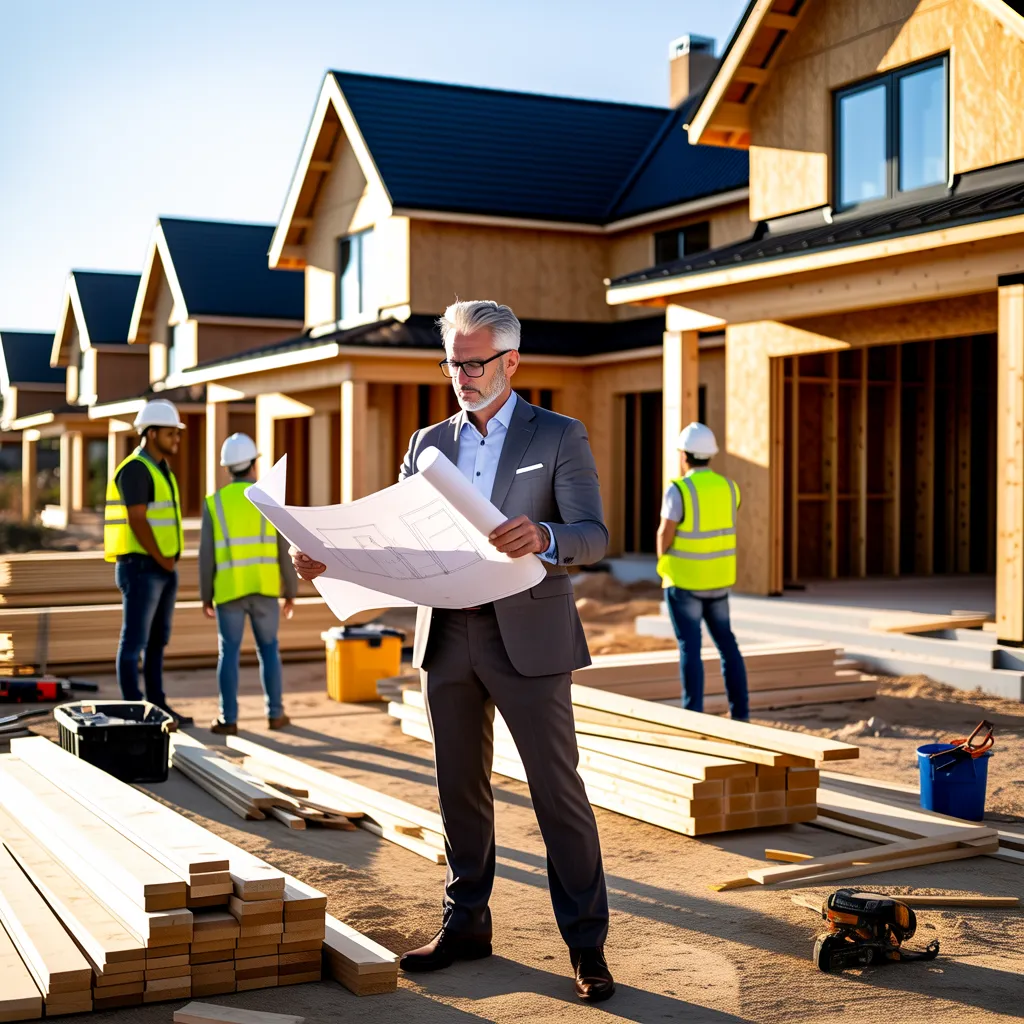
Standard Home Design Snags and Solutions Architects Handle Them
Why is home design so demanding for numerous homeowners? The difficulty of reconciling design preferences with practical needs often overwhelms them. Homeowners routinely contend with space limitations, financial constraints, and regulatory standards, rendering the design process more complex. Additionally, many lack the specialized skills required to tackle building considerations and building codes.
Architects execute an essential role in relieving these complications. Their instruction prepares them to work through the intricacies of planning, ensuring that a occupant's goal matches with realistic realities. Architects can provide creative answers to optimize space while adhering to safety norms. They also assist in producing cohesive designs that illustrate the homeowner's manner. By communicating understanding into materials and construction methods, architects help streamline the selection activity. Ultimately, their expertise transforms a potentially intimidating project into a cooperative journey, encouraging a well-balanced balance between imagination and usefulness in home design.
Advantages of Engaging With a Professional Architect
Collaborating with a professional architect enhances the residential design process by integrating expert knowledge with the homeowner's vision. Architects contribute a wealth of experience in design fundamentals, construction regulations, and green building techniques, guaranteeing that the undertaking not only achieves design aspirations but also follows regulations. Their ability to visualize and communicate intricate concepts assists with transforming conceptual notions into physical blueprints.
Furthermore, architects can provide creative approaches to spatial challenges, optimizing arrangement and usability. They also manage the complexities of the construction process, collaborating with contractors and suppliers to guarantee timelines and budgets are maintained. This expert supervision reduces possible mistakes and reduces the pressure linked to home construction or remodeling. Ultimately, collaborating with an architect results in a well-designed, cohesive space that reflects the homeowner's character while enhancing overall home worth.
What Are the Essential Stages in the Design Procedure?
In what way does the architectural process progress from concept to completion? The journey commences with an first meeting, where the architect and customer discuss objectives, needs, and cost parameters. This phase is critical for establishing a shared understanding. Following this, the designer conducts site analysis, evaluating considerations like terrain, environmental conditions, and zoning regulations.
Next, the design phase initiates. During this time, preliminary drawings and digital representations are generated, allowing the client to visualize the project. After the design is locked in, the architect puts together detailed construction documents, with specifications and drawings.
Upon obtaining required permits, the project enters the construction phase. The architect often collaborates with contractors to ensure that the design is implemented correctly. Frequent on-site inspections and assessments help maintain quality and compliance to the initial vision. Finally, the project concludes in a walkthrough, confirming that the completed structure satisfies the client's expectations before the official transfer.
How Can You Discover the Right Architect for Your Home?
Choosing the suitable professional for a property involves careful reflection and investigation. Prospective homeowners should begin by clarifying their specific needs and financial constraints, which will inform their pursuit. Guidance from contacts, family, or property professionals can furnish worthwhile opportunities. Internet galleries and reviews assist in appraising an designer's previous work and client satisfaction.
Next, interested parties should interview several prospects to evaluate their speaking approach, expertise, and design approach. It's vital to discuss project parameters and timeline expectations to guarantee alignment. Moreover, confirming qualifications and reviewing appropriate certifications and licenses can circumvent subsequent difficulties.
To summarize, homeowners should trust their inner voice. The ideal architect should not only have the necessary skills but also match the homeowner's vision and values. This synergy encourages a collaborative environment, ultimately enabling a effective collaboration in realizing a cherished residence.
Ways to Relay Your Vision Competently
Articulating a plan for residential design proficiently is necessary for a productive alliance between house owners and architects. To reach this objective, homeowners should begin by plainly defining their needs and choices. Making a inspiration board with images, shades, and materials can assist in relaying stylistic aspirations. Additionally, specifying practical requirements, such as room size and configuration, guarantees that the designer understands practical aspects.
Home owners should also engage in candid conversations, encouraging inquiries and input to refine their vision. Regular check-ins during the planning phase foster collaboration and transparency. Employing clear expression to convey thoughts and worries can prevent misunderstandings and help match expectations.
In conclusion, embracing the architect's proficiency facilitates a more dynamic exchange of ideas. By uniting personal vision with professional insight, homeowners can build a constructive relationship that produces a beautifully designed space embodying their aspirations.
Approach to Managing costs for Architecture Consultations
While starting a home design project, establishing a budget for architecture services is crucial to avoid monetary hardship later. Homeowners should begin by researching typical fees in their area, which can vary based on the project's complexity and the architect's experience. It is recommended to allocate a percentage of the overall project cost specifically for architectural services, typically ranging from 5% to 15%.
Next, clients should evaluate the extent of services essential—whether they seek total design and project relevant information administration or merely initial consultations. Having open conversations with candidate architects about their billing practices can clarify financial implications.
Additionally, property owners should account for possible expenses and revisions, creating a buffer in the budget. By explicitly outlining their financial parameters in advance, customers can verify they select an design expert who aligns with their objectives while adhering to their financial limits.
Commonly Requested Queries
What Structural Forms May I Choose for My Home?
Homeowners are able to opt for from numerous architectural styles, including modern, traditional, colonial, Mediterranean, and contemporary. Each style offers unique aesthetics and functionality, allowing individuals to convey personal taste while factoring in regional influences and environmental factors.
What Length of Time Does the Architectural Process Typically Take?
The design process typically demands a number of months, determined by project complexity, approval requirements, and local regulations. Factors such as stakeholder input and construction timelines can also influence the timeline greatly across the duration.
Can Design specialists Contribute To Environmentally conscious Development Alternatives?
Architects can truly support with green design alternatives. They integrate eco-friendly materials, efficient energy systems, and innovative layouts, ensuring projects minimize environmental impact while enhancing functionality and aesthetic appeal, matching with clients' sustainability goals successfully.
What Skills Do I Need to Look for in an Architectural Expert?
When picking an building designer, one should assess their education, licensure, background with comparable projects, body of work reflecting their design philosophy, and understanding of local regulations. Speaking and listening abilities and references from past clients also contribute significantly in the choosing process.
How Do Architects Handle Zoning and Permit Issues?
Architects manage regulatory challenges by conducting thorough research on local regulations, preparing necessary documentation, and working with municipal authorities. Their proficiency guarantees compliance, expediting the approval process for client projects effectively.